
What's your next?
Somewhere in the back of your mind there is a number, and you have never tested it against anything.
You have also never quite settled whether the business goes to your children, to the two people who have run operations for the past decade, or to a buyer you have not yet met. That decision feels like it belongs to a future version of you, one with more time and better information, so it keeps yielding to the quarter in front of you.

The answer is being written anyway.
Every month the company operates, it becomes either more transferable or less. Customer concentration deepens or diversifies. Margin quality comes into focus or stays buried inside an aggregated income statement. What only you know either moves into systems and people or stays exactly where it is. None of it feels urgent, because none of it interferes with running the business today, and that is precisely the difficulty. The conditions that set a company’s worth are hardest to see at the moment they are easiest to change.
Owners rarely delay out of denial. They delay because they believe one question has to be settled before anything else can begin.
There is the competitor who has wanted your customer list for years. The private equity firm assembling a platform in your sector. The strategic acquirer who needs your capability more than your revenue. The two operators who have run the place for a decade and would need financing to buy it. Your children, who may or may not want it. There is also the option of doing nothing until circumstances decide for you, which is the one most owners select without ever choosing it.
The preparation does not depend on which of them it turns out to be. Each will pay for something slightly different, and none of them will pay for a company that cannot be understood from the outside or operated without you. A business with clean financials, understood unit economics, diversified revenue, and a management team that runs it in your absence is worth more to an acquirer, easier to finance for a buyout, more durable for a successor, and considerably more pleasant to own if you never leave at all.
That work is the ordinary business of financial leadership, which is why it rarely carries the label of exit planning. It looks like reporting an outsider could rely on, margins you can trace to a customer, and decisions that no longer require you in the room. At ProCFO Partners, we build this inside companies long before anyone uses the word exit, because that is the only window in which it can still be built.
Practical Takeaways
- Owner dependency. Ask what the company would lose if you were unreachable for ninety days. Everything on that list is value that does not transfer, and it is the most expensive item on your balance sheet that does not appear there.
- Revenue concentration. Look at revenue by customer, then ask what would have to be true for your next three relationships to matter as much as your largest. This is the slowest of the three to correct, which is the argument for starting there first.
- Reporting that requires explanation. If your financials need you in the room to make sense, they will not survive someone with no reason to trust you. That is the standard every buyer, lender, and successor eventually applies, and it is the fastest of the three to fix.
Somewhere in the back of your mind there is still that number. Write it down, write down what the business would need to be worth to fund the life you want afterward, and treat the distance between them as your planning horizon. Your exit may be ten years out or three. The work that decides how it goes is available to you this quarter.
Create Your Next!
Nelson Tepfer
Founder & CEO




Financial reporting can be complex, which means that even the most well-versed professionals can–and will–occasionally stumble. Many common mistakes can have significant implications for your business. Whether you’re a qualified accountant, an experienced auditor, a C-level executive, or a business owner, understanding these pitfalls and learning how to avoid them can help you maintain your organization’s financial health and integrity.

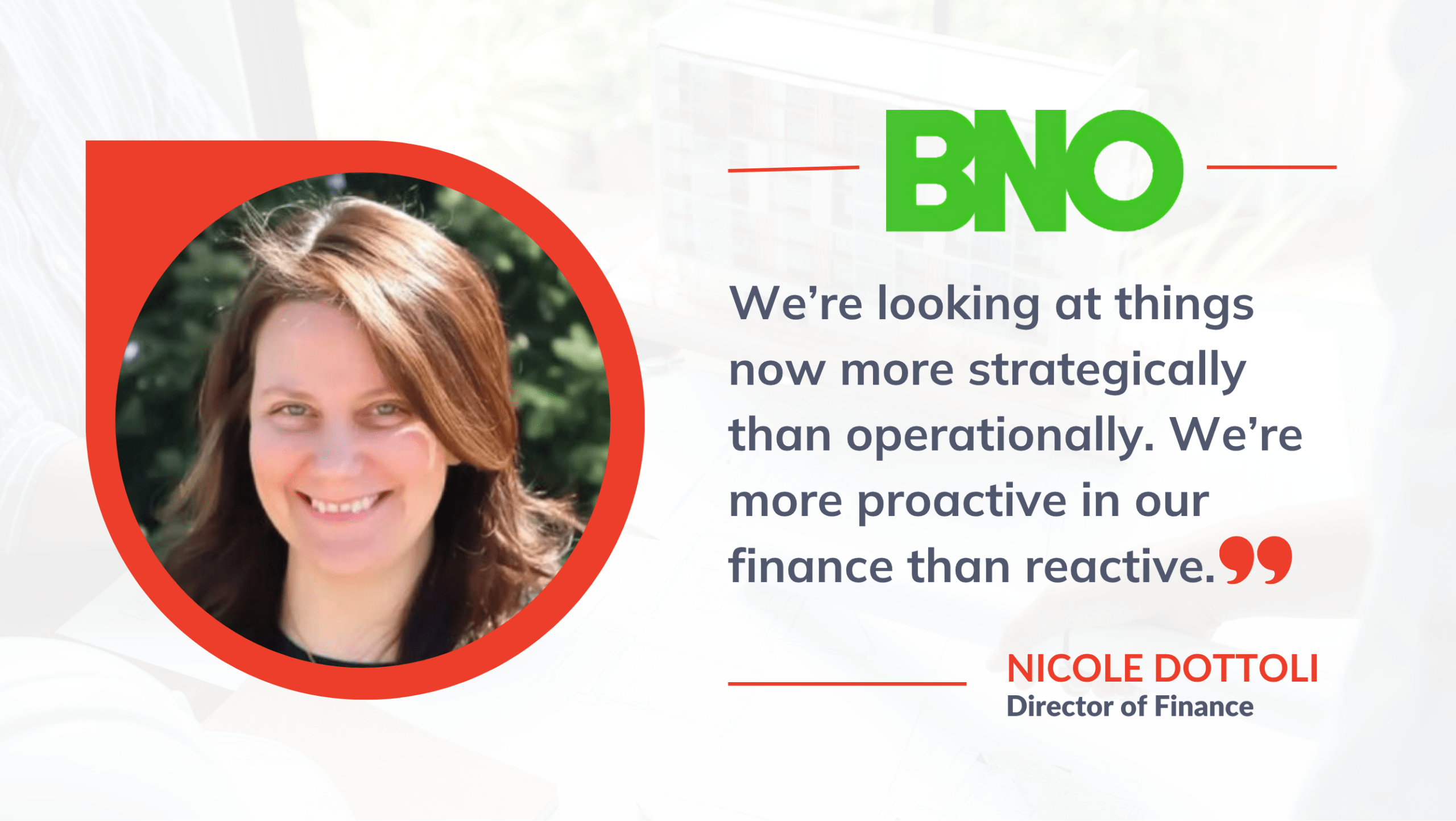
In our latest client story, Nicole and her ProCFO Philippe Touzot share how BNO moved beyond day-to-day finance by strengthening collections, improving reporting, and creating the financial visibility needed to make more strategic decisions in a rapidly changing industry.


Jeff Milman
Jeff Milman is an accomplished finance executive with over 20 years of experience across bifurcated investment and operating businesses with assets under management ranging from $0.5B to $2B+. [Read More]

John Nocera
CFO | Principal
John Nocera brings more than 25 years of executive leadership experience helping businesses improve financial performance, strengthen operations, and support long-term growth. [Read More]