Client Story

Irons
in the
Fire
“It was the perfect fit that I didn’t know I needed.”
Brian Atkin
President & CEO
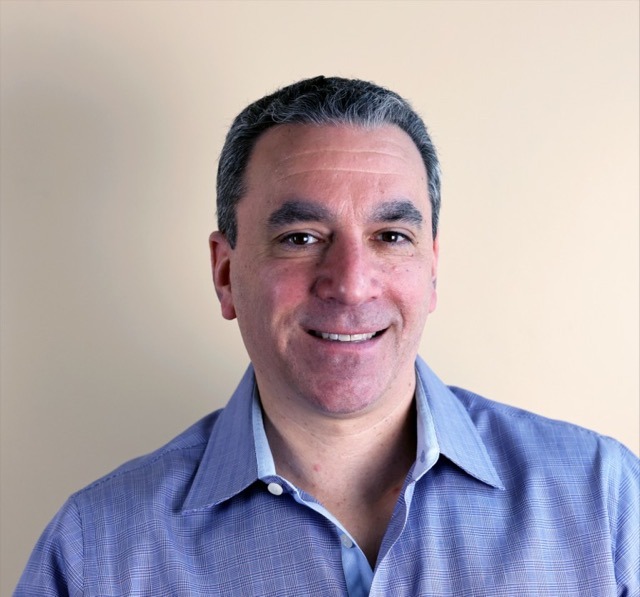
Frank Lowe is a custom die-cut manufacturer in Shirley, New York, working in rubber, foam, sponge, cork, and other non-metallic materials for a number of diverse markets. Brian Atkin, President and CEO, has been with the business for more than 30 years. The senior leadership team has been together for 20-plus years. When people stay this long at an organization, you’re doing something right.
Sometimes clients reach out to us in crisis – a financial storm, personnel change, an urgent need for better books or leadership. By the standard finance signals, Frank Lowe isn’t that kind of company. The business is profitable. The reporting is clean. But they knew they had a strategic gap, and looked to ProCFO Partners to help fill it.
Why Frank Lowe Engaged a Fractional CFO
Brian was ready to build the next chapter. Sales had reached a plateau, foreign competition had entered Frank Lowe’s niche markets, and his senior leadership team of three, together for two decades, had built the kind of cohesion that made the room comfortable but maybe not challenging. Brian wanted a different kind of voice in it. The advice he kept getting was conventional: hire a sales consultant, hire a salesperson. His instinct said the next jump sat somewhere else.
“We were missing something else, and I didn’t know what I was looking for, but I knew I needed something.”
Brian knew he needed something more on the senior team, something that would let him stop running the business long enough to start leading it. Working to his advantage is Frank Lowe using the Entrepreneurial Operating System – EOS – which ProCFO Partners deeply understands and easily integrates into with embedded leadership and a financial leadership platform.
The Outsider Who Became the Inside Voice
Bringing a new voice into a tight, long-tenured leadership team carries its own risk. Twenty-plus years of cohesion is hard to earn and easy to break. The team welcomed the challenge faster than Brian expected.
ProCFO John Martin brought a different background – bigger companies, more varied financial situations – and he brought the willingness to push back when the rest of the room was about to default to what was familiar. Brian credits him for finding a way to do that without breaking the rhythm of the team. The harder skill, in Brian’s read, is the patience to stay with a recommendation when an entrenched team is ready to wave it off.
Brian’s word for John inside the team is “wingman.” We call the ProCFO the embedded financial leader. As Brian says, “John just gave me the ability to take the steps I needed to take.” The VPs of sales and operations are inside their lanes, focused on running the business. John sits alongside the CEO with a different brief: responsibility for everything else, paired with the data to back it up.
Strategy and the Day-to-Day
John has been involved in renewing the company’s building lease, including the analysis of whether to move or stay and the negotiation of a 10,000-square-foot sublease back. He’s helped build the comp package and reporting structure for a new sales hire and sat in on the interview. He has worked through nexus tax questions with Brian and pulled in the broader ProCFO Partners network for a second opinion. He has been at the table for Frank Lowe’s AI investment decisions, both on cost and on which firms to evaluate.
Brian’s calls this work “next-level-up day-to-day” – the kind of decisions that used to sit on his plate alone and the kind he describes as costing the company too much when they sit there too long. A bookkeeper handles the actual day-to-day. The lease, the comp package, the AI evaluation, the nexus question – those needed strategic CFO judgment, and now they have it. Brian says, “Since John’s been here, he’s challenged me on the multiple irons in the fire. We need to get more things going at different times.”
The acquisition conversation is the clearest example. Brian had spent years circling acquisitions and stepping back from them. They felt too big, too risky for the size of the company. John walked him through debt capacity analysis, narrowed the field, and paired the strategic conversation with the data. What had felt overwhelming on Brian’s own started looking like one of the better paths to the next chapter.
What Changed: A Forward-Looking Engagement
- Calibration, not crisis: The plateau itself was the case for bringing in CFO-level thinking before a crisis arrived. “A lot of the other companies I work with would think they died and went to heaven with where Frank Lowe is,” John says. “But having said that, I think that we can improve in some important areas.”
- Multiple irons in the fire: The annual planning cadence shifted from one strategic initiative at a time to several running concurrently, on the principle that two or three of every ten will land.
- Data driven instead of instinct: While Brian sensed that sales had plateaued, John ran the numbers against past price increases and showed that unit volume had begun to decline, sharpening the picture Brian was running on instinct.
- Acquisitions as an avenue: Debt capacity modeling and a narrower target frame moved acquisitions from a deferred idea to a viable growth lever.
-
CEO visioning: Lease negotiation, comp design, AI vendor evaluation, and tax-nexus questions moved off Brian’s desk, opening room for the longer-horizon work a CEO is supposed to do.
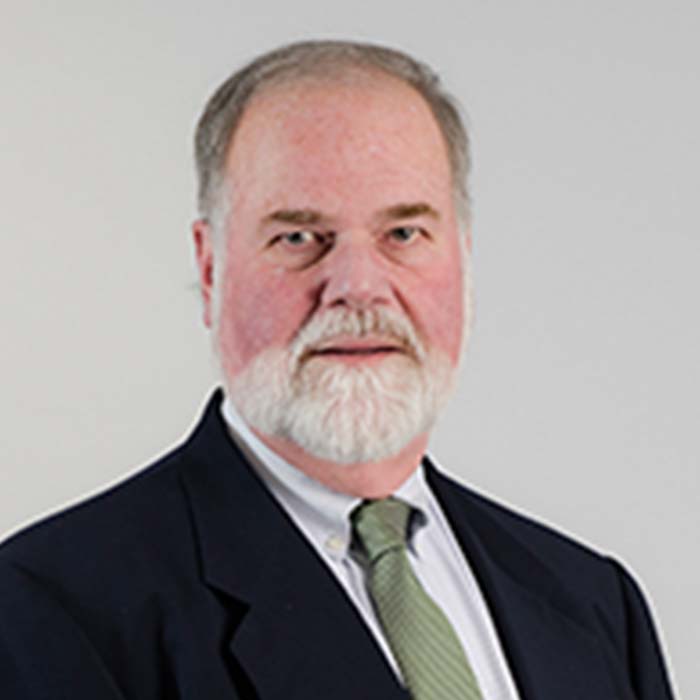
John describes Frank Lowe as more typical of what a CFO does over time: a mix of big-picture work and ongoing operational judgment, with the room to build a productive working relationship with the leadership team. The work aggregates – foundational effort now makes for strategic growth next. Solving today’s issues means long term goals can be more in-focus.
“I get emotionally attached to the companies that I work with,” John says. And the companies in crisis can sometimes take a toll on him. Frank Lowe has been a high – the kind of engagement where the work compounds. So does the thought collective of ProCFO Partners, where he pulls in the broader ProCFO Partners network when a question moves outside his direct experience.
Doing the Job a CEO Is Supposed to Do
For Brian, the day-to-day had been crowding out the long horizon. With John taking on the next-level-up work, Brian has the room to look five and ten years out – whether Frank Lowe stays a manufacturer, becomes a manufacturer-distributor hybrid, pursues acquisitions, or moves into adjacent markets like powder coating and metal finishing where the company has already started building.
“It changes the focus of the company when the CEO is doing the job the CEO is supposed to do.”
The team has noticed. People stop by Brian’s office to ask what’s next, where he’s been, what he’s working on. The engagement of a senior team shifts when the CEO is visibly out of the chair and doing the job. Brian credits the openness to his own management style and to the EOS framework. John reads it as Brian being self-aware enough to recognize the trap of comfort in a long-tenured, well-functioning company.
A Culture That Could Take the Challenge
The other piece of why this engagement works sits in the culture the company has built. Frank Lowe’s leadership team operates without the usual silos. People are open with each other, willing to be wrong, willing to be challenged. That openness made it possible to drop a new voice into a 20-year team without breaking it.
John’s read on Frank Lowe is that the openness is unusual. He has been in plenty of rooms where a recommendation gets met with “we know that, we’re not doing that.” Frank Lowe meets recommendations with consideration, even when the immediate response is “we tried that five years ago.” Brian sets that tone himself, and the team has spent decades growing into it.
Manufacturing The Next
Brian’s read on his own engagement arrives at a place most CEOs in his position would not get to on their own: there does not need to be a triggering event to bring in CFO-level thinking. The case for it is strongest before the crisis arrives, while there is still time to invest in the company instead of triaging it.
Frank Lowe’s next chapter looks like a manufacturing company with multiple irons in the fire – growing existing markets, exploring distribution, modeling acquisitions, and running the kind of forward-looking financial analysis that lets a 70-year-old business find its next chapter without waiting for the market to force one.