What's your next?
Every fall, leadership teams at growing companies arrive at budget season with a list of new ideas. The head of operations wants a second location. The head of sales is convinced a senior salesperson will fix the pipeline. Most of these ideas are sound, and most get approved with a cost attached and nothing else. Ask in March what the new salesperson needs to have closed by the end of June to justify the salary, and in most companies the honest answer is that nobody wrote it down.
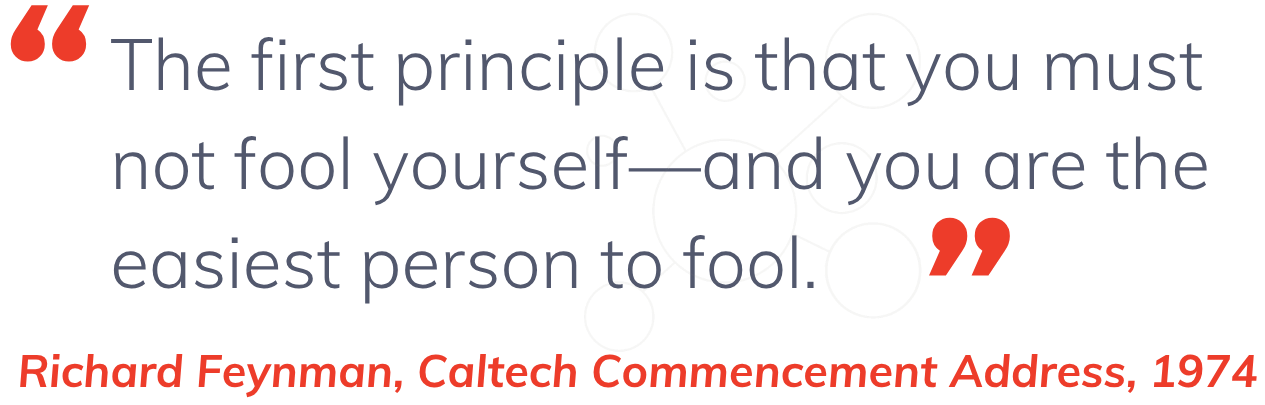
The budget discussion tends to stay on cost because cost is what the company can report and what the budget has a line for. Nothing in a standard budget asks what a new initiative is supposed to produce, so unless someone adds that question deliberately, it never comes up. Feynman’s warning applies to a leadership team as much as to any individual, since the people making the case are also the people deciding whether it was made.
An initiative approved without a target tends to live a long time. The cost renews each year while the results remain a matter of opinion, and within a year or two the initiative becomes part of the spending last month’s issue asked you to question.
Before an idea goes into next year’s budget, write down what it has to produce and the month you will check. Teams often hesitate here because they are unsure which number to pick. A rough number is enough. If it turns out to be wrong, you learn that by summer, when there is still time to adjust the plan or stop spending on it, instead of in December, when the money is gone.
Practical Takeaways
- Add a column to next year’s budget for what each new initiative must produce and when you will check.
- When the full payoff is more than a year away, choose an early signal you can see by midyear, such as qualified pipeline for a new salesperson or signed accounts for a new location.
- Agree on the response to a miss before the spending starts, while the conversation is still about the plan and not yet about anyone’s performance.
- Apply the strictest standard to the idea you like most.
Targets give a leadership team room to be ambitious, because a company that learns early whether a new idea is working can afford to try more new ideas. At ProCFO Partners we help leadership teams set those targets and keep score alongside them through the year. Over time, the company learns which of its instincts deserve its money, and it approaches each budget season with more confidence than the last.
Create Your Next!
Nelson Tepfer
Founder & CEO




You – yes you, whatever you do – have a technology company. Some of us are creating solutions that require certain technologies to function, some of us are developing those technologies, and all of us are using, benefiting from, or managing technologies in our business.

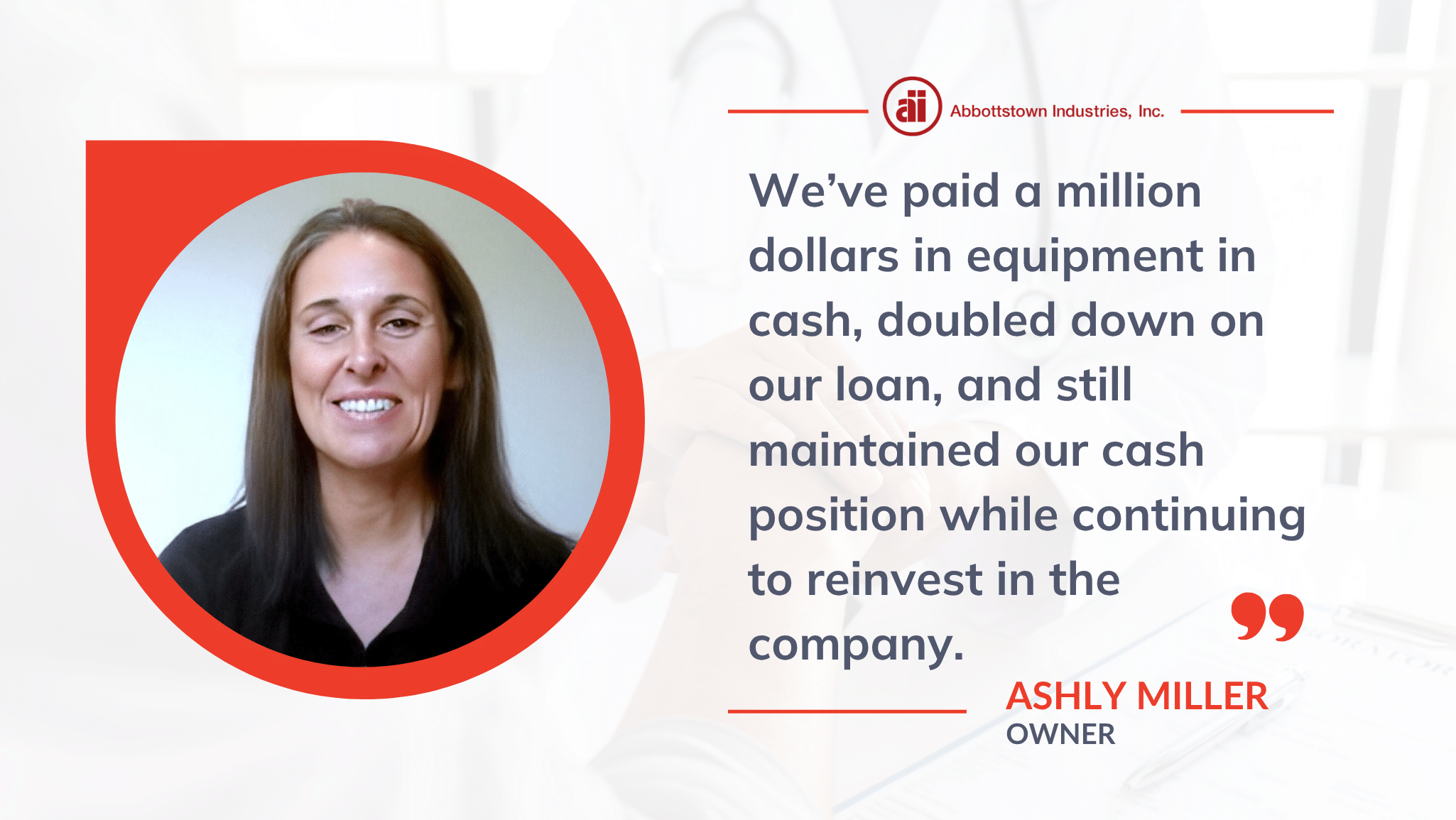
Abbottstown had no cash forecast, no formal budget, and no clear read on where collections stood or when vendors actually needed to be paid. Ashly had looked at bringing on an in-house financial hire and had explored a few fractional CFO firms, but nothing moved past conversation until her Vistage chair put her on the phone, mid-meeting, with Nelson Tepfer, founder and CEO of ProCFO Partners.


Joe Briner
CFO | Principal
Joe Briner is a seasoned executive with a proven track record as CFO, COO, and CEO across various sectors, including banking and financial services, biopharma, risk management, and media. [Read More]

Stephanie Parker
CFO | Principal
Stephanie Parker is a senior level finance executive with 30+ years of experience. She is dedicated to delivering success to organizations, through working with C-Suite executives to analyze business goals and current strategies. [Read More]